Last updated: November 17, 2026
Each year, California’s regional energy networks share annual reports outlining their impact. In 2025, RENs continued to use public funds responsibly and effectively to lower energy costs for Californians.
Read on for details from their annual reports on how the RENs are making a difference across California communities of all kinds.
But first… what are RENs?

Combined service territory of authorized RENs
Regional energy networks, or RENs, are collaborative groups led by local governments. Their purpose is to bring programs to their communities to save energy. California has seven RENs, serving over 37 million people, 450 cities, and 48 counties.
What do RENs do?
RENs play a vital role keeping California’s energy system going. They understand local issues, so they can provide energy programs tailored to their regions’ specific needs. REN programs span all sectors of California’ economy, from public agencies to small businesses, residential homes to agriculture. They not only reduce energy use but also lower electricity bills, reduce demand strain on the electrical grid, and create local jobs.
RENs reach communities that other energy programs have historically struggled to serve: rural, tribal, disadvantaged, low-income, small business, non-English-speaking, and multifamily/mobile-home populations, among others.
How are RENs funded?
REN programs receive most of their funding from a surcharge on energy bills known as the “public purpose charge.” Public purpose funds go to a variety of programs; only a small portion (around 1.5%) of the charge’s funds goes to energy efficiency. That’s about $3 per month for the average residential customer. Some RENs also use supplemental funding from grants and other sources to bring added value to communities.
Since they receive public funding from a utility bill charge, RENs are authorized and overseen by the California Public Utilities Commission (CPUC).
Where do RENs come from?
RENs are part of a long California tradition of investing in energy efficiency. Back in 1973, the OPEC oil embargo exposed our dependence on imported oil. In response, the Legislature created the California Energy Commission (CEC), a first-of-its-kind energy planning agency. A few years later, we also pioneered the nation’s first appliance and building efficiency standards.
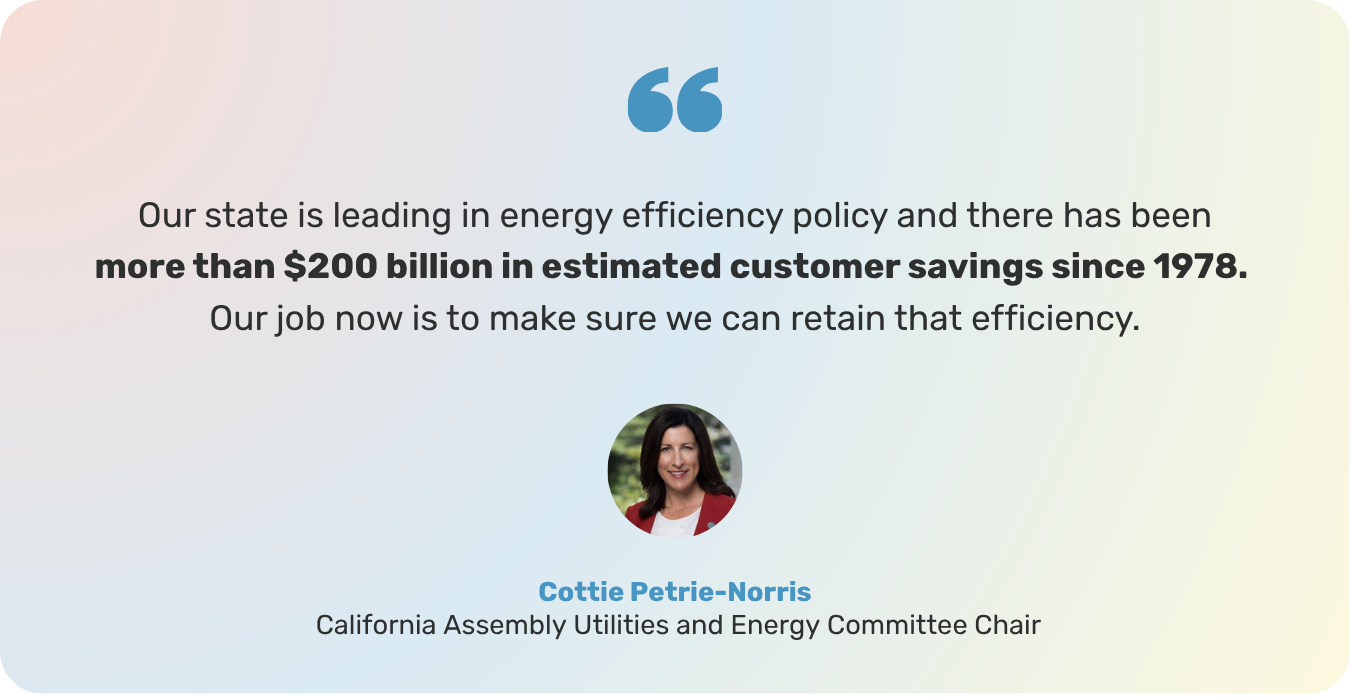
Before RENs, investor-owned utilities like Pacific Gas & Electric and Southern California Edison were the only organizations allowed to use “public purpose charge” funds to offer energy programs. RENs grew out of the belief that local governments are better able to engage residents and small businesses, respond to local challenges, and incorporate energy efficiency into local workforce, building code, and climate planning. The first RENs were created in 2012, with new RENs forming over the subsequent years.
California’s long history of energy leadership is part of why energy efficiency is a core component of our energy planning today, not a “nice-to-have” add-on.
What have RENs accomplished in 2025?
While each REN reports on slightly different metrics that are customized to their programs and community, there are a few stand-out numbers that all the RENs track. Last year’s REN projects will save Californians over $75 million on their energy bills.¹ Crucially, nearly half of all REN program spending and three quarters of REN energy savings were in rural, hard-to-reach, or underserved communities who may not be getting help from other energy programs.²
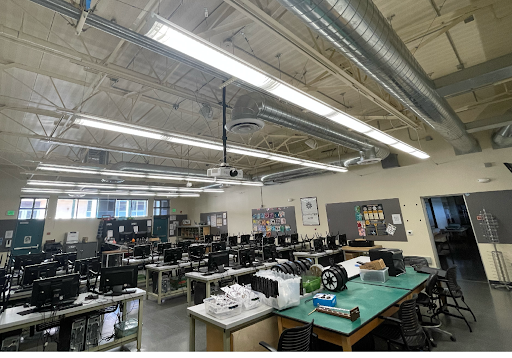
SoCalREN helped public agencies to complete 130 energy projects in 2025—all in rural, underserved, or hard-to-reach communities. Thanks to SoCalREN, these local governments and public agencies will save $23 million in lifetime energy bill costs.
Image: Lighting upgrades installed with SoCalREN at a Santa Barbara high school.
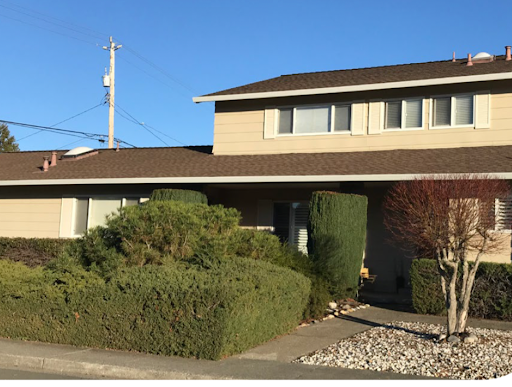
BayREN upgraded more than 5,000 homes in 2025. They went beyond using public purpose charge funding, helping members use over $12.5 million in other funding sources, including over $1.6 million for farmworker housing upgrades in Santa Clara County.
Image: A home that completed EASE Home upgrades with BayREN.
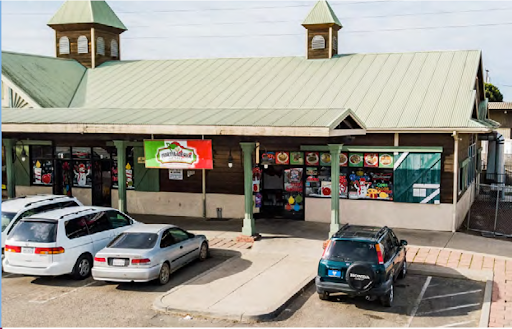
3C-REN distributed $3 million in energy efficiency incentives to make upgrades more affordable for 1,000 households and businesses on the Central Coast.
Image: 3C-REN incentives for Tortilleria Mexico in Santa Maria supported an upgrade from gas water heating to an efficient heat pump water heater.
Looking Ahead
RENs are already hard at work planning energy programs for the next decade. They’ve submitted Business Plan applications to the CPUC for formal review outlining how they will continue lowering energy costs, improving air quality, strengthening emergency preparedness, and creating clean energy jobs for Californians.
If enacted, these plans mean at least 45% of REN budgets will go to programs for rural, underserved, or hard-to-reach participants. They anticipate completing energy projects over just the next five years that will bring over $500 million in energy bill savings to Californians. At the end of the day, continuing the local programs run by RENs who know the community will mean lower energy bills for families across California and a more sustainable future for everyone.
Footnotes
Lifecycle bill savings, based on REN 2025 annual reports (per CEDARS), as of September 30, 2026.
When normalized to kbtu, 76% of annual and 73% of lifecycle energy savings from 2025 projects went to hard-to-reach and/or underserved customers. 48% of REN budgets were spent on equity programs in 2025.